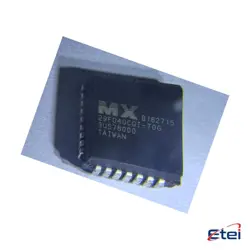
Imagens apenas para referência
93AA66AT-I/SN
+Lista de MateriaisIC EEPROM 4KBIT MICROWIRE 8SOIC
-
FabricanteTecnologia Microchip
-
Peça do Fabricante #93AA66AT-I/SN
-
Ficha Técnica 93AA66AT-I/SN DataSheet
-
Em Estoque2846
365 Garantia de Qualidade em 1 dia
7*24 Garantia de serviço em 24 horas
90-Garantia de pós-venda em 1 dia
Garantia de Produto Genuíno
Especificações
| Atributo | Valor |
| PartStatus | Active |
| DigiKeyProgrammable | Verified |
| MemoryType | Non-Volatile |
| MemoryFormat | EEPROM |
| Technology | EEPROM |
| MemorySize | 4Kbit |
| MemoryOrganization | 512 x 8 |
| MemoryInterface | Microwire |
| WriteCycleTime-Word,Page | 6ms |
| Voltage-Supply | 1.8V ~ 5.5V |
| OperatingTemperature | -40°C ~ 85°C (TA) |
| MountingType | Surface Mount |
| Package/Case | 8-SOIC (0.154", 3.90mm Width) |
| SupplierDevicePackage | 8-SOIC |
| BaseProductNumber | 93AA66 |
| ClockFrequency | 2 MHz |
Visão Geral
Description
Key characteristics of the 93AA66AT-I/SN include:
1. Memory Capacity: Typically provides 4K bits of memory organized in a 256 x 16-bit structure.
2. Interface: Utilizes a Microwire serial interface, which allows for simple integration into microcontroller applications.
3. Temperature Range: Designed to operate within industrial temperature ranges, making it suitable for various applications.
4. Data Retention: Guarantees data retention for up to 200 years, with a write endurance of 1 million cycles.
5. Applications: Commonly used in embedded systems, consumer electronics, and automotive applications where reliable data storage is needed.
Overall, the 93AA66AT-I/SN is a robust solution for applications requiring reliable, long-term data storage with minimal power requirements.
Equivalent
1. Atmel/Microchip: AT93C66
2. STMicroelectronics: M93C66
3. ON Semiconductor: CAT93C66
4. Renesas Electronics: R1EX24512ASAS0A
Ensure to verify compatibility regarding storage capacity, voltage, and communication protocols before substituting.
Features
1. Memory Capacity: It typically offers 4K bits of storage organized in 512 x 8-bit or 256 x 16-bit configurations.
2. Interface: Utilizes a serial peripheral interface (SPI) for communication, which enables efficient data transfer.
3. Voltage Range: Operates within a wide voltage range, usually from 1.8V to 5.5V, making it suitable for various applications.
4. Low Power Consumption: Designed for applications requiring low power usage, both in active and standby modes.
5. Data Retention: Offers high data retention, often up to 100 years, and can withstand a substantial number of write/erase cycles, typically around 1 million.
6. Security: Features include a write-protect pin to safeguard against inadvertent writing.
7. Temperature Range: Can operate within an extended temperature range, often from -40°C to +125°C, suitable for industrial applications.
8. Package Options: Available in different packaging types, such as PDIP, SOIC, and TSSOP, to cater to various design requirements.
These features make it a versatile choice for applications requiring reliable non-volatile storage.
Pinout
1. CS (Chip Select): Activates the device when low.
2. CLK (Clock): Serial clock input for synchronizing data transfer.
3. DI (Data In): Serial data input pin.
4. DO (Data Out): Serial data output pin.
5. GND: Ground pin.
6. ORG (Organization): Determines memory organization; high for x16 and low for x8.
7. NC (No Connect): Not connected internally.
8. VCC: Power supply pin.
Note that specific functions can vary slightly between manufacturers, so it's advisable to consult the datasheet for exact details.
Manufacturer
Application
1. Consumer Electronics: Used for storing configuration settings and calibration data.
2. Automotive: Keeps non-volatile data such as engine control parameters.
3. Industrial Equipment: Stores programmable settings for machinery.
4. Medical Devices: Retains patient data and device configuration.
5. Telecommunications: Used in networking equipment for configuration data.
6. Smart Cards: Holds secure information for authentication.
These applications benefit from its small size, low power consumption, and reliable data retention capabilities.