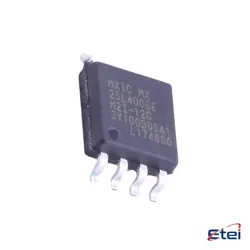
Imagens apenas para referência
ADBMS1818ASWZ-RL
+Lista de Materiais18-CELL BATTERY MONITOR WITH DAI
-
FabricanteAnalog Devices Inc.
-
Peça do Fabricante #ADBMS1818ASWZ-RL
-
Ficha Técnica ADBMS1818ASWZ-RL DataSheet
-
Pacote LQFP-64
-
Em Estoque6169
365 Garantia de Qualidade em 1 dia
7*24 Garantia de serviço em 24 horas
90-Garantia de pós-venda em 1 dia
Garantia de Produto Genuíno
Especificações
| Atributo | Valor |
| Package / Case | Tape & Reel (TR),Cut Tape (CT) |
| Series | Automotive, AEC-Q200 |
| Part Status | Active |
| Function | Battery Monitor |
| Battery Chemistry | Multi-Chemistry |
| Number of Cells | 18 |
| Fault Protection | Over Temperature, Over/Under Voltage |
| Interface | SPI |
| Operating Temperature | -40°C ~ 85°C |
| Mounting Type | Surface Mount |
Visão Geral
Description
Key areas typically covered in such a course include:
1. Database Architecture: Understanding the structure and components of database systems.
2. Data Models: Exploration of relational, object-oriented, and NoSQL databases.
3. SQL and Query Optimization: Learning to write efficient queries and optimize database performance.
4. Transaction Management: Ensuring data integrity through ACID properties (Atomicity, Consistency, Isolation, Durability).
5. Concurrency Control and Recovery: Techniques to manage simultaneous operations and system recovery mechanisms.
6. Database Security: Methods to protect data from unauthorized access and vulnerabilities.
7. Advanced Topics: Potential exploration of distributed databases, data warehousing, and big data technologies.
This course would be valuable for understanding how to effectively design, implement, and manage robust database systems in modern applications.
Equivalent
Features
1. Multi-Cell Monitoring: It supports up to 18 Li-ion or LiFePO4 battery cells, making it suitable for large battery packs.
2. Precision Measurements: High accuracy in voltage and temperature readings ensures optimal battery management and safety.
3. Daisy-Chain Communication: Enables robust communication between multiple devices in series without additional isolators, simplifying system design.
4. Low Power Consumption: Designed for energy efficiency, it reduces power draw, which is critical for battery-powered applications.
5. Fault Diagnostics: Includes safety features such as fault detection and reporting for overvoltage, undervoltage, and open-wire conditions.
6. Cell Balancing: Supports passive cell balancing to ensure uniform charge across all cells, extending battery life and performance.
7. High-Speed Interface: Offers fast communication protocols for efficient data transfer.
This IC is ideal for use in electric vehicles, energy storage systems, and other applications requiring efficient battery management solutions.