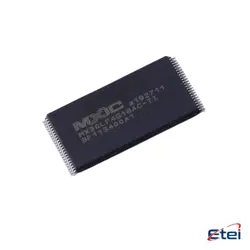
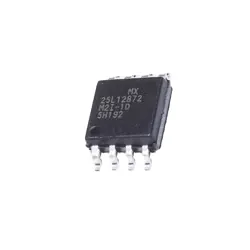
Imagens apenas para referência
ADCLK946BCPZ
+Lista de MateriaisIC CLK BUFFER 1:6 4.8GHZ 24LFCSP
-
FabricanteAnalog Devices Inc.
-
Peça do Fabricante #ADCLK946BCPZ
-
Ficha Técnica ADCLK946BCPZ DataSheet
-
Pacote VFQFN-24
-
Em Estoque5248
365 Garantia de Qualidade em 1 dia
7*24 Garantia de serviço em 24 horas
90-Garantia de pós-venda em 1 dia
Garantia de Produto Genuíno
Especificações
| Atributo | Valor |
| Package | Tray |
| Series | SiGe |
| ProductStatus | Active |
| Type | Fanout Buffer (Distribution) |
| NumberofCircuits | 1 |
| Ratio-Input:Output | 1:6 |
| Differential-Input:Output | Yes/Yes |
| Input | CML, CMOS, LVDS, LVPECL |
| Output | LVPECL |
| Frequency-Max | 4.8 GHz |
| Voltage-Supply | 2.97V ~ 3.63V |
| OperatingTemperature | -40°C ~ 85°C |
| MountingType | Surface Mount |
| Package/Case | 24-VFQFN Exposed Pad, CSP |
Visão Geral
Description
Equivalent
1. LMK00301 from Texas Instruments - a similar high-speed differential clock buffer.
2. MC100EP111 from ON Semiconductor - an ECL/LVPECL clock buffer.
3. NB6L14 from ON Semiconductor - a differential clock/data fanout buffer.
4. 8T49N241 from Renesas - a low-jitter differential clock buffer.
These alternatives offer similar performance in terms of speed and functionality, though specific specs may vary. Always verify compatibility with your application's requirements.
Features
Pinout
- Pin Count: 32 pins
- Function: The ADCLK946 is used for clock distribution and buffering, providing low jitter and phase noise performance. It features multiple clock inputs and outputs to facilitate clock signal distribution in high-speed digital applications.
This IC is utilized in applications where precise timing and synchronization are critical, such as data converters, communication systems, and instrumentation. The device supports differential signaling and offers flexibility in clock routing, which helps in maintaining signal integrity across complex systems.
Manufacturer
Application
1. High-performance data acquisition systems where precise clock distribution is critical.
2. Wireless communications infrastructure such as base stations, which require reliable and low-jitter clock signals.
3. Test and measurement equipment that demands precise timing and synchronization.
4. High-speed digital communication systems like optical networks, where clean clock signals enhance data integrity.
5. Radar and electronic warfare systems requiring precise timing for signal processing.
Its low jitter and high-speed capabilities make it suitable for any application needing precise clock generation and distribution.