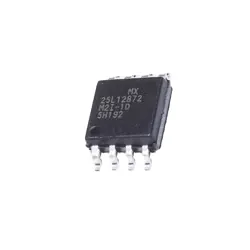
Imagens apenas para referência
EP1C6F256C8N
+Lista de MateriaisIC FPGA 185 I/O 256FBGA
-
FabricanteIntel
-
Peça do Fabricante #EP1C6F256C8N
-
Pacote FBGA-256
-
Em Estoque2232
365 Garantia de Qualidade em 1 dia
7*24 Garantia de serviço em 24 horas
90-Garantia de pós-venda em 1 dia
Garantia de Produto Genuíno
Especificações
| Atributo | Valor |
| Package / Case | Tray |
| Series | Cyclone® |
| Part Status | Obsolete |
| Number of LABs/CLBs | 598 |
| Number of Logic Elements/Cells | 5980 |
| Total RAM Bits | 92160 |
| Number of I/O | 185 |
| Voltage - Supply | 1.425V ~ 1.575V |
| Mounting Type | Surface Mount |
| Operating Temperature | 0°C ~ 85°C (TJ) |
Visão Geral
Description
Key features of the EP1C6F256C8N include 6,291 logic elements, 92,160 RAM bits, and 185 user I/O pins, all encapsulated in a 256-pin FineLine BGA package. The device supports a wide range of I/O standards and comes with embedded multipliers suitable for DSP applications. Designers can implement complex digital circuits, enabling applications in consumer electronics, automotive, industrial, and communication systems. The FPGA is configured using SRAM-based technology, allowing for easy reprogramming and rapid prototyping.
Overall, the EP1C6F256C8N offers a flexible and efficient platform for developing custom hardware solutions without the need for costly and time-consuming ASIC design.
Equivalent
1. Xilinx Spartan-3 series, such as the XC3S200-4VQG100C.
2. Lattice ECP2 series, like the LFE2-12E-6TN144C.
These alternatives should be evaluated for compatibility based on factors like logic elements, I/O pins, power consumption, and package type to ensure they meet the specific requirements of your application.
Features
1. Logic Elements: Approximately 5,980 LEs, suitable for moderate complexity designs.
2. Embedded Memory: Contains 92,160 bits of embedded memory for efficient data storage and processing.
3. I/O Pins: Supports up to 185 user I/O pins, offering flexibility for various interfacing needs.
4. Package: Comes in a 256-pin FineLine BGA package, optimizing board space.
5. Clock Management: Includes PLLs for sophisticated clock management and frequency synthesis.
6. Power: Low power consumption, making it suitable for power-sensitive applications.
7. Built-in Multipliers: Facilitates efficient DSP applications.
8. Configuration: Supports SRAM-based configuration, allowing for re-programmability.
9. Speed Grade: The C8N indicates a specific speed grade for performance optimization.
The EP1C6F256C8N is ideal for applications needing a combination of logic density, I/O flexibility, and power efficiency, such as consumer electronics, communication systems, and industrial control.
Pinout
1. Pin Count: The EP1C6F256C8N has 256 pins.
2. Logic Elements: It provides 5,980 logic elements, which are the building blocks for implementing custom digital circuits.
3. Memory: It includes embedded RAM blocks with a total capacity of 92,160 bits, useful for data storage and buffering.
4. I/O Pins: The FPGA supports up to 185 user I/O pins, allowing for flexible interfacing with external devices.
5. Performance: It is designed to offer a balance of low power consumption and high performance, suitable for a variety of applications from consumer electronics to communications.
6. Clock Management: It features PLLs (Phase-Locked Loops) for robust clock management, ensuring precise timing control.
The EP1C6F256C8N is widely used in digital signal processing, data processing, and control applications due to its configurability and efficient logic implementation capabilities.
Manufacturer
Post-acquisition, Altera's technologies and products have been integrated into Intel's Programmable Solutions Group. This group focuses on providing advanced programmable logic solutions and expanding Intel’s product offerings in the area of flexible and reconfigurable computing solutions. Intel is a multinational corporation and technology company, widely recognized as one of the largest and most influential semiconductor companies in the world. It designs and manufactures a variety of products, including microprocessors, chipsets, and other key components for computing and networking.
Application
1. Embedded Systems: Used in custom hardware designs for embedded applications.
2. Digital Signal Processing (DSP): Ideal for processing audio, video, and communication signals.
3. Prototyping and Development: Commonly used in educational and research environments for developing and testing digital systems.
4. Communications: Employed in networking equipment, modems, and wireless communication systems.
5. Industrial Control: Utilized in automation systems and robotics for control logic and data processing.
6. Consumer Electronics: Integrated into devices requiring customized processing capabilities.
These applications benefit from the FPGA’s flexibility, reconfigurability, and cost-efficiency.