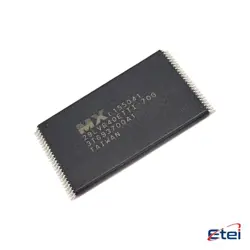
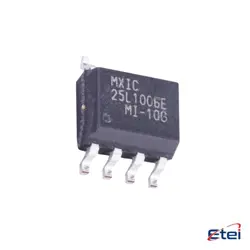
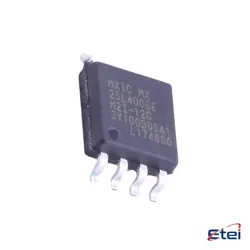
Imagens apenas para referência
LM75BIMX-5
+Lista de MateriaisSENSOR DIGITAL -55C-125C 8SOIC
-
FabricanteTexas Instruments
-
Peça do Fabricante #LM75BIMX-5
-
Pacote SOP-8
-
Em Estoque2508
365 Garantia de Qualidade em 1 dia
7*24 Garantia de serviço em 24 horas
90-Garantia de pós-venda em 1 dia
Garantia de Produto Genuíno
Especificações
| Atributo | Valor |
| Package | Tape & Reel (TR),Cut Tape (CT) |
| ProductStatus | Not For New Designs |
| SensorType | Digital, Local |
| SensingTemperature-Local | -55°C ~ 125°C |
| OutputType | I²C |
| Voltage-Supply | 3V ~ 5.5V |
| Resolution | 9 b |
| Features | Output Switch, Programmable Limit, Shutdown Mode |
| Accuracy-Highest(Lowest) | ±2°C (±3°C) |
| TestCondition | -25°C ~ 100°C (-55°C ~ 125°C) |
| OperatingTemperature | -55°C ~ 125°C |
| MountingType | Surface Mount |
| Package/Case | 8-SOIC (0.154, 3.90mm Width) |
Visão Geral
Description
The LM75BIMX-5 is equipped with an over-temperature shutdown feature, making it suitable for thermal management in various applications, including computers, consumer electronics, and industrial control systems. Its compact size and low power consumption make it ideal for integration into portable devices and battery-operated systems.
Key features include a programmable temperature threshold and hysteresis, allowing customizable temperature alerts. The sensor can operate in a power-saving shutdown mode, reducing power consumption when temperature monitoring is not actively needed. Its compatibility with standard I2C interfaces ensures ease of implementation in microcontroller-based projects.
Equivalent
1. TMP75 by Texas Instruments
2. MCP9800 by Microchip Technology
3. LM75A by NXP Semiconductors
4. ADT75 by Analog Devices
5. STTS75 by STMicroelectronics
These alternatives typically feature similar I2C interfaces, temperature range, and accuracy specifications. Always verify pin configuration and specific application requirements before substituting.
Features
1. Temperature Range: It measures temperatures from -55°C to +125°C with an accuracy of ±2°C.
2. Digital Interface: Utilizes an I2C interface for communication, compatible with SMBus.
3. Resolution: Provides 9-bit digital temperature readings, which can be converted to a higher resolution.
4. Programmable Features: Includes a temperature alarm function with programmable threshold and hysteresis settings.
5. Low Power Consumption: Operates with low current, making it suitable for battery-powered applications.
6. Supply Voltage: Operates on a supply voltage range of 2.8V to 5.5V.
7. Compact Package: Available in a small, surface-mount SOIC-8 package.
8. Response Time: Offers a quick response time for temperature changes.
The LM75BIMX-5 is widely used in applications requiring precise temperature monitoring, such as PCs, servers, HVAC systems, and consumer electronics. Its combination of digital output, programmable features, and low power consumption makes it versatile and efficient for various designs.
Pinout
1. SDA: Serial Data Line - Used for bidirectional data transfer in I²C communication.
2. SCL: Serial Clock Line - Provides the clock signal for I²C communication.
3. OS/INT: Overtemperature Shutdown/Interrupt - Acts as an output for overtemperature alerts.
4. GND: Ground - The common ground reference for the device.
5. A2: Address Bit 2 - Used to set the I²C address, allowing multiple devices on the same bus.
6. A1: Address Bit 1 - Another bit for setting the I²C address.
7. A0: Address Bit 0 - Final bit for setting the I²C address.
8. VCC: Power Supply - Connects the device to the power supply.
These pins enable the LM75BIMX-5 to perform temperature monitoring with programmable thresholds and hysteresis settings, making it suitable for various applications in temperature management and thermal protection systems.
Manufacturer
Application
1. Consumer Electronics: Ensures devices like computers, smartphones, and tablets operate within safe temperature ranges.
2. Industrial Automation: Monitors equipment temperatures to prevent overheating and improve reliability.
3. HVAC Systems: Regulates heating, ventilation, and air conditioning for energy efficiency and comfort.
4. Automotive: Manages thermal conditions within vehicle systems for safety and performance.
5. Data Centers: Protects servers and network equipment from heat-related failures.
6. Healthcare: Ensures proper operation of medical devices by maintaining optimal temperature.
These applications leverage the sensor's accuracy and ease of integration.