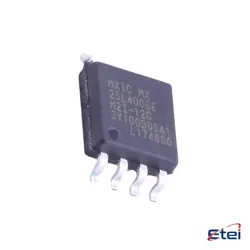
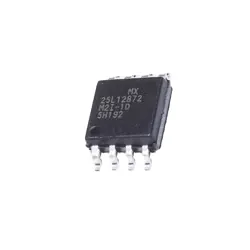
Imagens apenas para referência
LM809M3X-2.93
+Lista de MateriaisIC SUPERVISOR 1 CHANNEL SOT23-3
-
FabricanteTexas Instruments
-
Peça do Fabricante #LM809M3X-2.93
-
Pacote SOT-23-3
-
Em Estoque5509
365 Garantia de Qualidade em 1 dia
7*24 Garantia de serviço em 24 horas
90-Garantia de pós-venda em 1 dia
Garantia de Produto Genuíno
Especificações
| Atributo | Valor |
| Package | Tape & Reel (TR),Cut Tape (CT) |
| ProductStatus | Obsolete |
| Type | Simple Reset/Power-On Reset |
| NumberofVoltagesMonitored | 1 |
| Voltage-Threshold | 2.93V |
| Output | Push-Pull, Totem Pole |
| Reset | Active Low |
| ResetTimeout | 140ms Minimum |
| OperatingTemperature | -40°C ~ 105°C (TA) |
| MountingType | Surface Mount |
| Package/Case | TO-236-3, SC-59, SOT-23-3 |
Visão Geral
Description
Key features of the LM809M3X-2.93 include a low supply current, typically in the microampere range, and a fast response time to voltage drops, ensuring prompt resets. It often comes in a compact SOT-23 package, making it suitable for applications with space constraints. This IC is widely used in various applications like embedded systems, automotive electronics, and telecommunications, where reliable power monitoring is essential. It helps in enhancing the reliability and stability of electronic systems by preventing unexpected behavior during power supply fluctuations.
Equivalent
1. MAX809 series (such as MAX809T-2.93) by Maxim Integrated.
2. NCP809 series by ON Semiconductor.
3. TC809 series by Microchip Technology.
4. ADM809 series by Analog Devices.
These alternatives may have slight variations in specifications, so it's important to verify the exact requirements for compatibility in your application.
Features
1. Voltage Monitoring: It monitors the supply voltage and asserts a reset to the microprocessor when it falls below a specified threshold (2.93V in this case).
2. Reset Output: The device provides a reset signal to ensure that the microprocessor restarts properly after power is restored or if a voltage drop occurs.
3. Manual Reset Input: Allows a manual reset to be triggered, enabling the user to reset the system manually when required.
4. Low Supply Current: It is designed to operate with a low supply current, making it suitable for battery-powered applications.
5. Small Package: Available in a space-saving SOT-23 package, which is ideal for compact designs.
6. Temperature Range: Operates within a wide temperature range, suitable for various environments.
These features make the LM809M3X-2.93 useful for ensuring reliable operation of microprocessor-based systems by preventing erratic behavior during power supply issues.
Pinout
1. GND (Ground): This is the ground pin, which provides a reference point for the other pins and the entire circuit.
2. RESET: This is the reset output pin. The LM809 asserts a reset signal when the monitored voltage (typically the supply voltage) drops below the specified threshold level of 2.93 volts. The reset remains asserted for a fixed duration after the voltage exceeds the threshold, ensuring proper system reset.
3. VDD (Power Supply Input): This pin is connected to the power supply voltage that needs to be monitored. It is the input pin through which the LM809 determines if the voltage is above or below the threshold value.
This IC is used to ensure that a microprocessor or digital system does not operate under undervoltage conditions, which could lead to unpredictable behavior.
Manufacturer
Application
1. Microprocessor and microcontroller systems to ensure proper startup and reset.
2. Battery-operated devices to prevent operation under low-voltage conditions.
3. Industrial equipment for monitoring critical voltage levels.
4. Automotive electronics for reliable system resets under varying power conditions.
5. Networking equipment to maintain stable operations by monitoring power supply.
6. Consumer electronics for safeguarding against voltage fluctuations.
Its primary function is to provide a reset signal when the monitored voltage falls below a specified threshold, thereby protecting against data corruption and ensuring system stability.