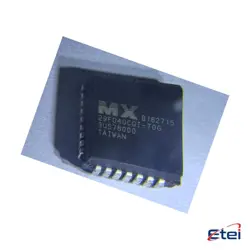
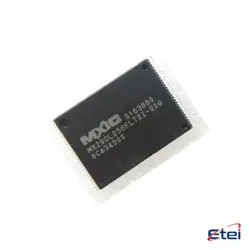
Imagens apenas para referência
MK20DX256VLH7
+Lista de MateriaisIC MCU 32BIT 256KB FLASH 64LQFP
-
FabricanteNXP USA Inc.
-
Peça do Fabricante #MK20DX256VLH7
-
Ficha Técnica MK20DX256VLH7 DataSheet
-
Pacote SOT1699-1
-
Em Estoque6279
365 Garantia de Qualidade em 1 dia
7*24 Garantia de serviço em 24 horas
90-Garantia de pós-venda em 1 dia
Garantia de Produto Genuíno
Especificações
| Atributo | Valor |
| Package | Tray |
| Series | Kinetis K20 |
| ProductStatus | Active |
| CoreProcessor | ARM® Cortex®-M4 |
| CoreSize | 32-Bit Single-Core |
| Speed | 72MHz |
| Connectivity | CANbus, EBI/EMI, I²C, IrDA, SPI, UART/USART, USB, USB OTG |
| Peripherals | DMA, I²S, LVD, POR, PWM, WDT |
| NumberofI/O | 40 |
| ProgramMemorySize | 256KB (256K x 8) |
| ProgramMemoryType | FLASH |
| EEPROMSize | 2K x 8 |
| RAMSize | 64K x 8 |
| Voltage-Supply(Vcc/Vdd) | 1.71V ~ 3.6V |
| DataConverters | A/D 24x16b; D/A 1x12b |
| OscillatorType | Internal |
| OperatingTemperature | -40°C ~ 105°C (TA) |
| MountingType | Surface Mount |
| Package/Case | 64-LQFP |
Visão Geral
Description
Key features include a rich set of peripherals such as UARTs, I2C, SPI, and USB interfaces, making it highly versatile for communication tasks. It also supports a 16-bit ADC, a 12-bit DAC, and a range of timers, which are beneficial for various control and data acquisition applications. The device operates at a voltage range of 1.71V to 3.6V, suitable for battery-powered devices. Additionally, it includes robust security features like hardware encryption, ensuring data integrity and protection. The MK20DX256VLH7 is commonly used in consumer electronics, industrial controls, and IoT devices due to its balance of performance, power efficiency, and peripheral integration.
Equivalent
1. STM32F407 (STMicroelectronics) - ARM Cortex-M4, similar performance and peripherals.
2. ATSAM4E8E (Microchip/Atmel) - ARM Cortex-M4, comparable features.
3. LPC1768 (NXP) - ARM Cortex-M3, slightly lower performance but similar use cases.
4. TM4C123GH6PM (Texas Instruments) – ARM Cortex-M4, similar applications and features.
Always verify specific features and requirements for compatibility.
Features
- Core: ARM Cortex-M4 running at up to 72 MHz, with DSP instructions and a single-precision floating-point unit.
- Memory: 256 KB of Flash memory and 64 KB of SRAM.
- I/O: 100 LQFP package with up to 78 GPIO pins.
- Communication Interfaces: Includes multiple UARTs, SPI, I2C, and CAN interfaces.
- Timers: Multiple timers, including PWM and input capture capabilities.
- Analog: 2 ADCs (16-bit resolution) and a 12-bit DAC.
- USB: Full-speed USB 2.0 OTG controller.
- Security: Features a hardware random number generator and memory protection unit.
- Power Management: Low-power modes and a flexible clocking system for efficient power usage.
This microcontroller is suitable for a wide range of applications, including consumer electronics, industrial control, and portable devices.
Pinout
Key features of the MK20DX256VLH7 include:
- Processor Core: ARM Cortex-M4 core with FPU (Floating Point Unit), operating at up to 72 MHz.
- Memory: 256 KB of Flash memory and 64 KB of SRAM.
- I/O and Peripherals: It includes a variety of interfaces such as USB 2.0 On-The-Go, multiple UARTs, I2C, SPI, CAN, and ADC modules.
- Timers: A variety of timers like PWM and general-purpose timers for various timing functions.
- Security: Features such as hardware CRC and a random number generator for security purposes.
The MK20DX256VLH7 is suitable for applications such as consumer electronics, industrial automation, and smart energy solutions, thanks to its balance of performance, power efficiency, and interface options.
Manufacturer
Application
1. Consumer Electronics: Used in devices such as home automation systems and smart appliances.
2. Industrial Control: Applied in automation, motor control, and process management systems.
3. Medical Devices: Utilized in portable medical equipment for data processing and connectivity.
4. Automotive Systems: Implemented in infotainment and telematics systems.
5. IoT Devices: Supports IoT applications due to its processing power and peripheral interfaces.
6. Embedded Systems: General use in a variety of embedded applications requiring moderate processing power and low energy consumption.