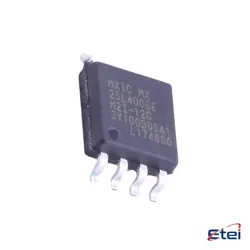
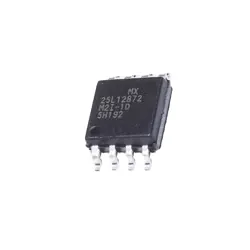
Imagens apenas para referência
MK22FN512VDC12
+Lista de MateriaisIC MCU 32BIT 512KB FLSH 121XFBGA
-
FabricanteNXP USA Inc.
-
Peça do Fabricante #MK22FN512VDC12
-
Ficha Técnica MK22FN512VDC12 DataSheet
-
Pacote 121-XFBGA
-
Em Estoque3132
365 Garantia de Qualidade em 1 dia
7*24 Garantia de serviço em 24 horas
90-Garantia de pós-venda em 1 dia
Garantia de Produto Genuíno
Especificações
| Atributo | Valor |
| Package | Bulk,Tray |
| Series | Kinetis K20 |
| ProductStatus | Active |
| CoreProcessor | ARM® Cortex®-M4 |
| CoreSize | 32-Bit Single-Core |
| Speed | 120MHz |
| Connectivity | I²C, IrDA, SPI, UART/USART, USB, USB OTG |
| Peripherals | DMA, I²S, LVD, POR, PWM, WDT |
| NumberofI/O | 81 |
| ProgramMemorySize | 512KB (512K x 8) |
| ProgramMemoryType | FLASH |
| RAMSize | 128K x 8 |
| Voltage-Supply(Vcc/Vdd) | 1.71V ~ 3.6V |
| DataConverters | A/D 38x16b; D/A 2x12b |
| OscillatorType | Internal |
| OperatingTemperature | -40°C ~ 105°C (TA) |
| MountingType | Surface Mount |
| Package/Case | 121-XFBGA |
Visão Geral
Description
Key features include 512 KB of flash memory, 128 KB of SRAM, and a suite of peripherals that enhance its functionality. The microcontroller operates at a core frequency of up to 120 MHz, offering high processing power. Enhanced security features, such as hardware encryption and tamper detection, are also integrated to protect data and prevent unauthorized access.
The MK22FN512VDC12 supports a wide operating temperature range, making it reliable in various environmental conditions. It offers flexible low-power modes to optimize power consumption, essential for battery-operated devices. Connectivity options include UART, SPI, I2C, and USB, making it versatile for interfacing with other devices.
Overall, the MK22FN512VDC12 is a robust solution for developers looking for a powerful and efficient microcontroller with extensive peripheral and connectivity options.
Equivalent
1. STM32F407 series from STMicroelectronics
2. ATSAME70Q21 series from Microchip Technology
3. EFR32MG21 series from Silicon Labs
4. LPC546xx series from NXP itself
These alternatives offer similar processing capabilities and peripherals but may differ in specific features. Always compare datasheets for detailed compatibility.
Features
1. CPU and Performance: It operates at a maximum frequency of 120 MHz and includes a floating-point unit, making it suitable for complex computations.
2. Memory: It has 512 KB of flash memory and 128 KB of SRAM, providing ample space for code and data.
3. Power Efficiency: Designed for low-power applications, it supports multiple power modes to optimize energy usage.
4. Connectivity: Offers a variety of interfaces, including UART, SPI, I2C, and USB, facilitating communication with other devices.
5. Analog Features: Includes 2 ADCs (Analog-to-Digital Converters) and 2 DACs (Digital-to-Analog Converters) for signal processing applications.
6. Timers and PWM: Equipped with multiple timers and PWM (Pulse Width Modulation) channels for precise timing and control tasks.
7. Security: Features hardware encryption and secure boot capabilities to ensure data integrity and security.
8. Development Support: Compatible with NXP's extensive development tools and software libraries, easing application development.
This combination of features makes it suitable for a wide range of industrial and consumer applications.
Pinout
Key functions and features include:
1. Memory: 512 KB Flash memory, 128 KB SRAM.
2. Connectivity: UART, SPI, I2C, CAN, USB FS/LS.
3. Timers: Multiple timers for various time-based operations.
4. Analog: ADC, DAC, and comparators for analog signal processing.
5. Digital I/O: General-purpose I/O pins for interfacing with external components.
6. Security: Hardware encryption and tamper detection.
7. Power Management: Low power modes and flexible clocking options.
This microcontroller is utilized in applications requiring robust performance, such as consumer electronics, industrial controls, and portable medical devices.
Manufacturer
Application
1. Industrial Automation: Used in motor control, smart sensors, and HMIs.
2. Consumer Electronics: Ideal for audio systems, appliances, and gaming devices.
3. Healthcare Devices: Employed in portable medical equipment and wearables.
4. IoT Devices: Powers smart home devices and connected applications.
5. Automotive: Suitable for infotainment systems and vehicle control units.
6. Robotics: Utilized in control systems for precision and responsiveness.
Its features like on-chip memory, extensive connectivity options, and security make it versatile across these domains.