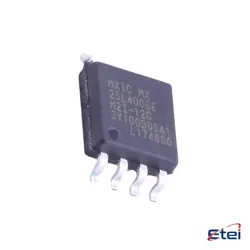
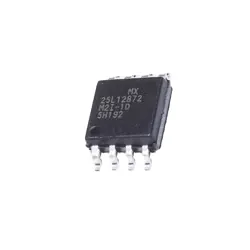
Imagens apenas para referência
MT25QU128ABB8ESF-0AUT
+Lista de MateriaisIC FLASH 128MBIT SPI 16SOP2
-
FabricanteMicron Technology Inc.
-
Peça do Fabricante #MT25QU128ABB8ESF-0AUT
-
Em Estoque8330
365 Garantia de Qualidade em 1 dia
7*24 Garantia de serviço em 24 horas
90-Garantia de pós-venda em 1 dia
Garantia de Produto Genuíno
Especificações
| Atributo | Valor |
| Part Status | Last Time Buy |
| Base Product Number | MT25QU128 |
| Digi Key Programmable | Not Verified |
| Memory Type | Non-Volatile |
| Memory Format | FLASH |
| Technology | FLASH - NOR |
| Memory Size | 128Mbit |
| Memory Organization | 16M x 8 |
| Memory Interface | SPI - Quad I/O |
| Clock Frequency | 133 MHz |
| Write Cycle Time - Word, Page | 8ms, 2.8ms |
| Voltage - Supply | 1.7V ~ 2V |
| Operating Temperature | -40°C ~ 105°C (TA) |
| Mounting Type | Surface Mount |
| Package / Case | 16-SOIC (0.295", 7.50mm Width) |
| Supplier Device Package | 16-SOP2 |
| Packaging | Box |
| Grade | Automotive |
| Qualification | AEC-Q100 |
Visão Geral
Description
The MT25QU128ABB8ESF-0AUT is a high-performance, 128Mb serial NOR Flash memory device, typically used in embedded systems for reliable data storage and retrieval. Designed by Micron, it offers a standard SPI (Serial Peripheral Interface) and supports a wide range of voltages, making it versatile for various applications. This device is optimized for low power consumption and features high-speed read/write operations, which are crucial for efficient system performance.
One of its key attributes is its extended temperature range: it can operate reliably in both standard and industrial temperature conditions. The memory is organized into uniform 4KB sectors, allowing for flexible data management and easy sector-based erase operations. It also features advanced security options, including write protection mechanisms, ensuring data integrity and protection against unauthorized access.
The MT25QU128ABB8ESF-0AUT is typically used in consumer electronics, automotive systems, and industrial applications, offering a balance of performance, durability, and cost-effectiveness for various storage needs.
One of its key attributes is its extended temperature range: it can operate reliably in both standard and industrial temperature conditions. The memory is organized into uniform 4KB sectors, allowing for flexible data management and easy sector-based erase operations. It also features advanced security options, including write protection mechanisms, ensuring data integrity and protection against unauthorized access.
The MT25QU128ABB8ESF-0AUT is typically used in consumer electronics, automotive systems, and industrial applications, offering a balance of performance, durability, and cost-effectiveness for various storage needs.
Equivalent
The MT25QU128ABB8ESF-0AUT is a 128Mb serial NOR Flash memory from Micron. Equivalent products might include:
1. W25Q128FV from Winbond
2. MX25L12835F from Macronix
3. S25FL128S from Cypress (Infineon)
4. AT25DF128A from Adesto Technologies (now Dialog Semiconductor).
These alternatives offer similar capacity and interface, but it's crucial to check specific features like voltage, package type, and operating temperature to ensure compatibility.
1. W25Q128FV from Winbond
2. MX25L12835F from Macronix
3. S25FL128S from Cypress (Infineon)
4. AT25DF128A from Adesto Technologies (now Dialog Semiconductor).
These alternatives offer similar capacity and interface, but it's crucial to check specific features like voltage, package type, and operating temperature to ensure compatibility.
Features
The MT25QU128ABB8ESF-0AUT is a high-performance NOR Flash memory chip from Micron Technology. It offers a storage capacity of 128 Mb (megabits) and is designed for applications requiring reliable, non-volatile memory. Key features include:
1. Interface: It supports multiple I/O interfaces, including Single I/O, Dual I/O, and Quad I/O SPI modes, which enhance data transfer rates.
2. Performance: It offers fast read speeds with a maximum clock frequency of up to 108 MHz, optimizing data access times.
3. Voltage Range: Operates on a wide voltage range from 2.7V to 3.6V, allowing for flexibility in various power environments.
4. Temperature Range: It supports an extended temperature range, making it suitable for industrial applications.
5. Security: Includes advanced security features such as hardware and software protection mechanisms to safeguard data integrity.
6. Endurance and Retention: Provides high endurance with up to 100,000 program/erase cycles and data retention of up to 20 years.
These features make it suitable for embedded systems, automotive applications, and other industrial uses requiring dependable storage solutions.
1. Interface: It supports multiple I/O interfaces, including Single I/O, Dual I/O, and Quad I/O SPI modes, which enhance data transfer rates.
2. Performance: It offers fast read speeds with a maximum clock frequency of up to 108 MHz, optimizing data access times.
3. Voltage Range: Operates on a wide voltage range from 2.7V to 3.6V, allowing for flexibility in various power environments.
4. Temperature Range: It supports an extended temperature range, making it suitable for industrial applications.
5. Security: Includes advanced security features such as hardware and software protection mechanisms to safeguard data integrity.
6. Endurance and Retention: Provides high endurance with up to 100,000 program/erase cycles and data retention of up to 20 years.
These features make it suitable for embedded systems, automotive applications, and other industrial uses requiring dependable storage solutions.
Pinout
The MT25QU128ABB8ESF-0AUT is a multi-functional NOR Flash memory device from Micron, part of the MT25Q series. This specific model is a Serial NOR Flash memory with a density of 128 Mb. It is designed with a standard 8-pin package, which includes the following pin functions:
1. CS# (Chip Select): Initiates communication with the device.
2. SCK (Serial Clock): Provides the clock signal for data transfer.
3. DQ0 (Data Input/Output 0): Used for data input and output.
4. DQ1 (Data Input/Output 1): Used for data input/output, supporting dual/quad SPI.
5. DQ2 (Data Input/Output 2): Used for data input/output, supporting quad SPI.
6. DQ3 (Data Input/Output 3): Used for data input/output, supporting quad SPI.
7. VCC (Power Supply Voltage): Supplies power to the device.
8. VSS (Ground): Ground reference for the device.
The MT25QU128ABB8ESF-0AUT supports standard SPI, dual SPI, and quad SPI operations, allowing for versatile communication and high-performance data transfer.
1. CS# (Chip Select): Initiates communication with the device.
2. SCK (Serial Clock): Provides the clock signal for data transfer.
3. DQ0 (Data Input/Output 0): Used for data input and output.
4. DQ1 (Data Input/Output 1): Used for data input/output, supporting dual/quad SPI.
5. DQ2 (Data Input/Output 2): Used for data input/output, supporting quad SPI.
6. DQ3 (Data Input/Output 3): Used for data input/output, supporting quad SPI.
7. VCC (Power Supply Voltage): Supplies power to the device.
8. VSS (Ground): Ground reference for the device.
The MT25QU128ABB8ESF-0AUT supports standard SPI, dual SPI, and quad SPI operations, allowing for versatile communication and high-performance data transfer.
Manufacturer
The MT25QU128ABB8ESF-0AUT is manufactured by Micron Technology, Inc. Micron is a leading global semiconductor company that specializes in the production of memory and storage solutions. Their product line includes DRAM, NAND flash memory, and NOR flash memory, which are used in various computing, networking, and mobile applications. Micron is known for its innovations in memory technology and its role in advancing data storage solutions worldwide.
Application
The MT25QU128ABB8ESF-0AUT is a NOR Flash memory component commonly used in various applications due to its reliability and performance. Key application areas include:
1. Consumer Electronics: Used in devices like digital cameras and smartphones for firmware storage.
2. Automotive Systems: Employed in infotainment systems, dashboards, and advanced driver-assistance systems (ADAS) requiring high-speed data access and reliability.
3. Industrial Equipment: Utilized in programmable logic controllers (PLCs) and industrial automation for robust data storage.
4. Telecommunications: Supports networking equipment and wireless communication devices for firmware and configuration data.
5. Embedded Systems: Integrated into microcontroller-based systems for storing operating systems and application code.
These applications benefit from its fast read access times, low power consumption, and durability.
1. Consumer Electronics: Used in devices like digital cameras and smartphones for firmware storage.
2. Automotive Systems: Employed in infotainment systems, dashboards, and advanced driver-assistance systems (ADAS) requiring high-speed data access and reliability.
3. Industrial Equipment: Utilized in programmable logic controllers (PLCs) and industrial automation for robust data storage.
4. Telecommunications: Supports networking equipment and wireless communication devices for firmware and configuration data.
5. Embedded Systems: Integrated into microcontroller-based systems for storing operating systems and application code.
These applications benefit from its fast read access times, low power consumption, and durability.
Package
The MT25QU128ABB8ESF-0AUT is a NOR Flash memory component with a package type of WSON (Wafer-Level Small Outline No-Lead) with 8 pins.