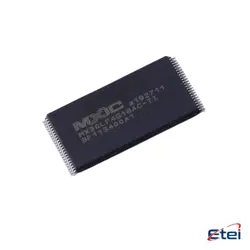
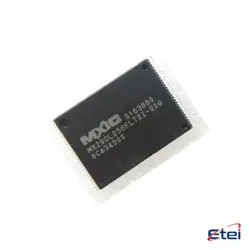
Imagens apenas para referência
NBSG16MMNR2
+Lista de MateriaisIC TRANSCEIVER 16QFN
-
Fabricanteonsemi
-
Peça do Fabricante #NBSG16MMNR2
-
Pacote 16-VFQFNExposedPad
-
Em Estoque9590
365 Garantia de Qualidade em 1 dia
7*24 Garantia de serviço em 24 horas
90-Garantia de pós-venda em 1 dia
Garantia de Produto Genuíno
Especificações
| Atributo | Valor |
| Package | Tape & Reel (TR),Bulk |
| ProductStatus | Obsolete |
| Type | Transceiver |
| Applications | Instrumentation |
| MountingType | Surface Mount |
| Package/Case | 16-VFQFN Exposed Pad |
Visão Geral
Description
For instance, in a research context, such codes might refer to project codes, dataset identifiers, or model numbers. In technology, it could be a product or component specification. If you have access to specific resources or databases related to the field in question, searching them could provide more detailed insights. If this is from a proprietary or confidential source, contacting the organization or entity responsible for creating or managing it might be necessary for accurate information.
Equivalent
1. ON Semiconductor MC100LVEP16 - A similar ECL buffer/translator.
2. Texas Instruments SN65LVDS31 - A quad differential line driver for similar functionalities.
3. IDT (Integrated Device Technology) 8T49N241 - For frequency control and signal management needs.
Be sure to compare electrical characteristics and package compatibility when selecting an alternative.
Features
If this model pertains to a consumer electronic device, features might typically include specifications such as display size, resolution, processing power, memory, connectivity options, or special functionalities. For appliances, it could detail dimensions, energy efficiency, capacity, or unique operational modes. For accurate information, consulting official resources or documentation from the seller or manufacturer would be necessary to confirm what NBSG16MMNR2 specifically entails.
Pinout
The primary function of the NBSG16MMNR2 is to receive differential signals, specifically designed for high-speed data communications, and to provide a digital output. It is commonly used in systems that require precise timing and low noise, such as in clock and data recovery applications. The device supports various signaling standards, allowing it to interface with different technologies.
For detailed pin functions and layout, refer to the manufacturer's datasheet, as it will provide specific information regarding pin assignments and electrical characteristics.