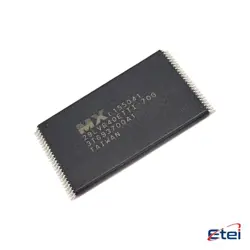
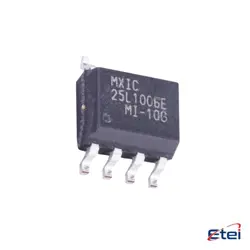
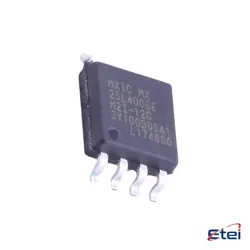
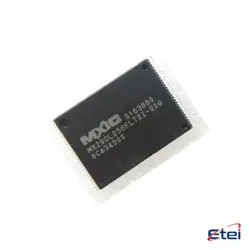
Imagens apenas para referência
PIC18F26K20-I/ML
+Lista de MateriaisIC MCU 8BIT 64KB FLASH 28QFN
-
FabricanteTecnologia Microchip
-
Peça do Fabricante #PIC18F26K20-I/ML
-
Ficha Técnica PIC18F26K20-I/ML DataSheet
-
Pacote QFN-28
-
Em Estoque1783
365 Garantia de Qualidade em 1 dia
7*24 Garantia de serviço em 24 horas
90-Garantia de pós-venda em 1 dia
Garantia de Produto Genuíno
Especificações
| Atributo | Valor |
| Package / Case | Tube |
| Series | PIC® XLP™ 18K |
| Part Status | Active |
| Core Processor | PIC |
| Core Size | 8-Bit |
| Speed | 64MHz |
| Connectivity | I²C, SPI, UART/USART |
| Peripherals | Brown-out Detect/Reset, HLVD, POR, PWM, WDT |
| Number of I/O | 24 |
| Program Memory Size | 64KB (32K x 16) |
| Program Memory Type | FLASH |
| EEPROM Size | 1K x 8 |
| RAM Size | 3.8K x 8 |
| Voltage - Supply (Vcc/Vdd) | 1.8V ~ 3.6V |
| Data Converters | A/D 11x10b |
| Oscillator Type | Internal |
| Operating Temperature | -40°C ~ 85°C (TA) |
| Mounting Type | Surface Mount |
Visão Geral
Description
Key features include multiple I/O ports, advanced PWM modules, timers, and serial communication interfaces like EUSART, SPI, and I2C. It also integrates a 10-bit ADC for applications requiring analog-to-digital conversion. The PIC18F26K20's low-power nanoWatt technology makes it suitable for power-sensitive applications, offering various power-saving modes. Its small QFN package (ML) is ideal for compact spaces.
Typical applications encompass consumer electronics, industrial automation, and automotive systems. The device is supported by Microchip's extensive software tools, including MPLAB X IDE, making it accessible for both new and experienced developers.
Equivalent
Features
1. CPU: 8-bit PIC microcontroller with a high-performance RISC CPU architecture.
2. Memory:
- Flash Program Memory: 64KB
- SRAM Data Memory: 3.75KB
- EEPROM: 256 bytes
3. Clock Speed: Up to 64 MHz with an internal oscillator.
4. I/O Ports: 25 Input/Output pins.
5. Timers: Three 16-bit timers/counters.
6. Communication Interfaces:
- EUSART (Enhanced Universal Synchronous Asynchronous Receiver Transmitter)
- MSSP (Master Synchronous Serial Port) supporting SPI and I2C
7. ADC: 10-bit Analog-to-Digital Converter with 11 channels.
8. PWM: Pulse Width Modulation with enhanced capture/compare/PWM (ECCP).
9. Power Management: NanoWatt XLP technology for low power consumption.
10. Operating Voltage: 1.8V to 3.6V.
11. Packaging: 28-pin QFN (Quad Flat No-leads) package.
This microcontroller is suitable for applications requiring low power consumption and extensive interfacing capabilities in compact, space-constrained designs.
Pinout
Key functions and features include:
- CPU and Memory: It has an 8-bit CPU, with Flash program memory up to 64KB, RAM up to 3.8KB, and EEPROM up to 1KB.
- I/O Ports and Peripherals: The device includes multiple I/O ports configurable for digital or analog inputs and outputs, PWM, and other peripheral functionalities.
- Timers and ADC: It has multiple timers and an Analog-to-Digital Converter (ADC) module that supports up to 10-bit resolution.
- Communication Interfaces: Supports various communication protocols such as EUSART (Enhanced Universal Synchronous Asynchronous Receiver Transmitter), I²C, and SPI for serial communication.
- Power and Performance: Offers nanoWatt XLP technology for low power consumption, making it suitable for battery-powered applications.
This microcontroller is used in applications that require efficient processing, low power consumption, and various communication capabilities.
Manufacturer
Application
1. Embedded Systems: Suitable for complex embedded control systems.
2. Consumer Electronics: Used in devices requiring efficient power management.
3. Automotive: Supports in-vehicle applications needing reliability and robustness.
4. Industrial Automation: Ideal for monitoring and control systems.
5. IoT Devices: Facilitates connectivity and sensor integration.
6. Medical Devices: Powers portable and diagnostic equipment.
7. Home Automation: Used in smart home and energy management systems.
These applications leverage the microcontroller's versatile peripherals and low power features.